

Engineering Intelligent Business Solutions
HiFX helps enterprises design, develop, and scale intelligent digital solutions through modern architectures, AI-driven systems, cloud-native engineering, and scalable enterprise technologies built for operational efficiency, innovation, and long-term business growth.Talk to Us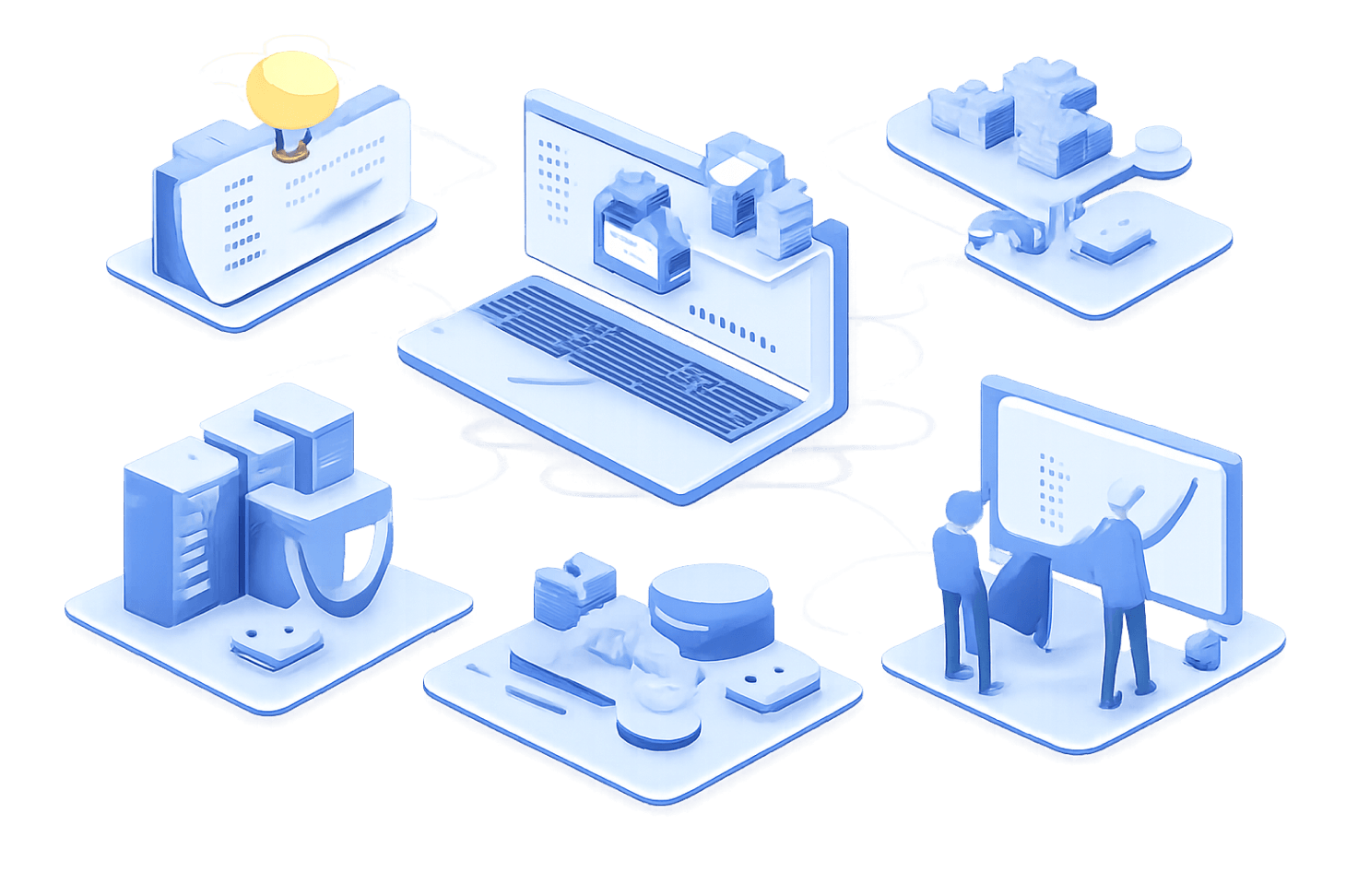
Enterprise Solution Engineering. Built for the Future.
Most solution failures aren't engineering failures — they're translation failures, where a business requirement gets simplified into the wrong technical direction before anyone questions the assumption. We run structured discovery and, where relevant, build-vs-buy evaluation before committing to an architecture, so the eventual solution answers what the business actually needs rather than what was fastest to spec on day one.
 Requirements-First Discovery
 Build-vs-Buy Evaluation
 Cross-System Integration
Full-Spectrum Solution Engineering Services

Enterprise Application Engineering
Enterprise applications get built around the actual approval chains, roles, and exception cases your business runs on — not a generic CRUD app with permissions bolted on afterward. We map those workflows during discovery before any UI gets designed.

System Architecture Design
We design for the failure modes that actually matter to your business — a payment system needs different resilience guarantees than an internal reporting tool. Architecture decisions get prioritized against what breaking actually costs you, not a uniform 'high availability everywhere' default.

AI & Intelligent Automation
Before recommending an AI-driven approach, we check whether a deterministic rules engine solves the problem more reliably and more cheaply. AI earns its place when the problem genuinely requires pattern recognition or prediction — not by default.

Cloud-Native Engineering
Cloud-native for us means the application is built to be portable and horizontally scalable from the start, containerized and stateless where possible, rather than a traditional application simply deployed onto cloud infrastructure.

Enterprise Integrations
Integration patterns get chosen deliberately: synchronous API calls where a real-time response is needed, event-driven messaging where systems can process asynchronously. Defaulting to synchronous everywhere is a common cause of cascading failures when one system slows down.

Solution Modernization
We assess legacy systems for what's actually worth preserving — business logic that encodes years of edge-case handling is often more valuable than the outdated code it's written in. Modernization means re-platforming that logic, not discarding it.
Our Process

Discovery
Structured stakeholder interviews plus review of any existing systems, producing a documented set of functional and non-functional requirements before architecture starts.

Solution Design
Build-vs-buy evaluation where relevant, followed by architecture design reviewed against the discovery findings — not a template applied by default.
Implementation
Iterative build with regular checkpoints against the original requirements, so drift gets caught early.
Validation & Handover
User acceptance testing against real workflows, plus documentation handed to your team — not just a working system, but one your team can maintain.
Transforming Businesses Through Technology
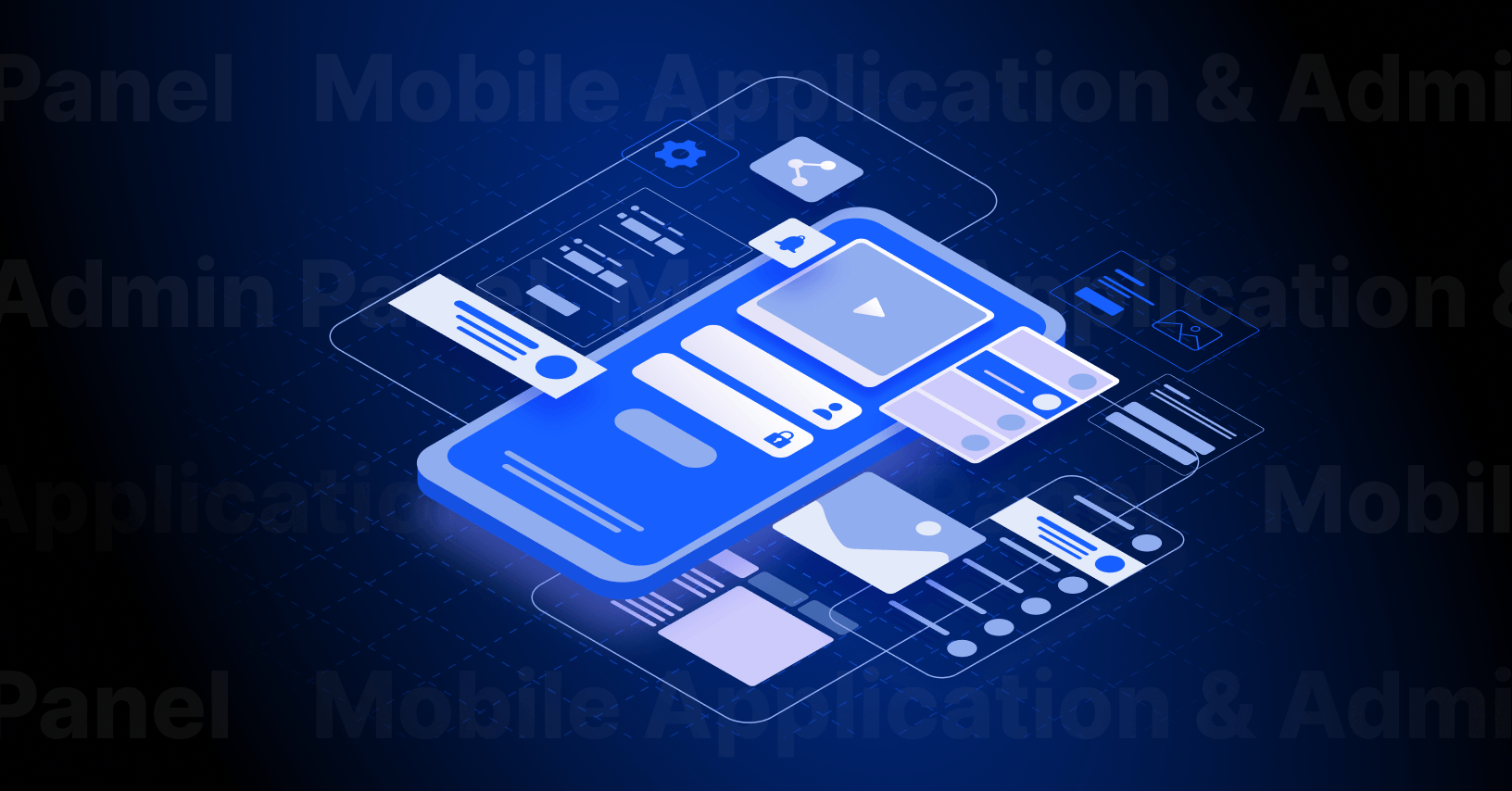
Mobile Application & Admin Panel
HiFX designed and developed a scalable mobile application and centralized admin panel for a leading national bakery and café chain, simplifying operations and improving customer accessibility.
 ·
· ·
· ·
· ·
· ·
·
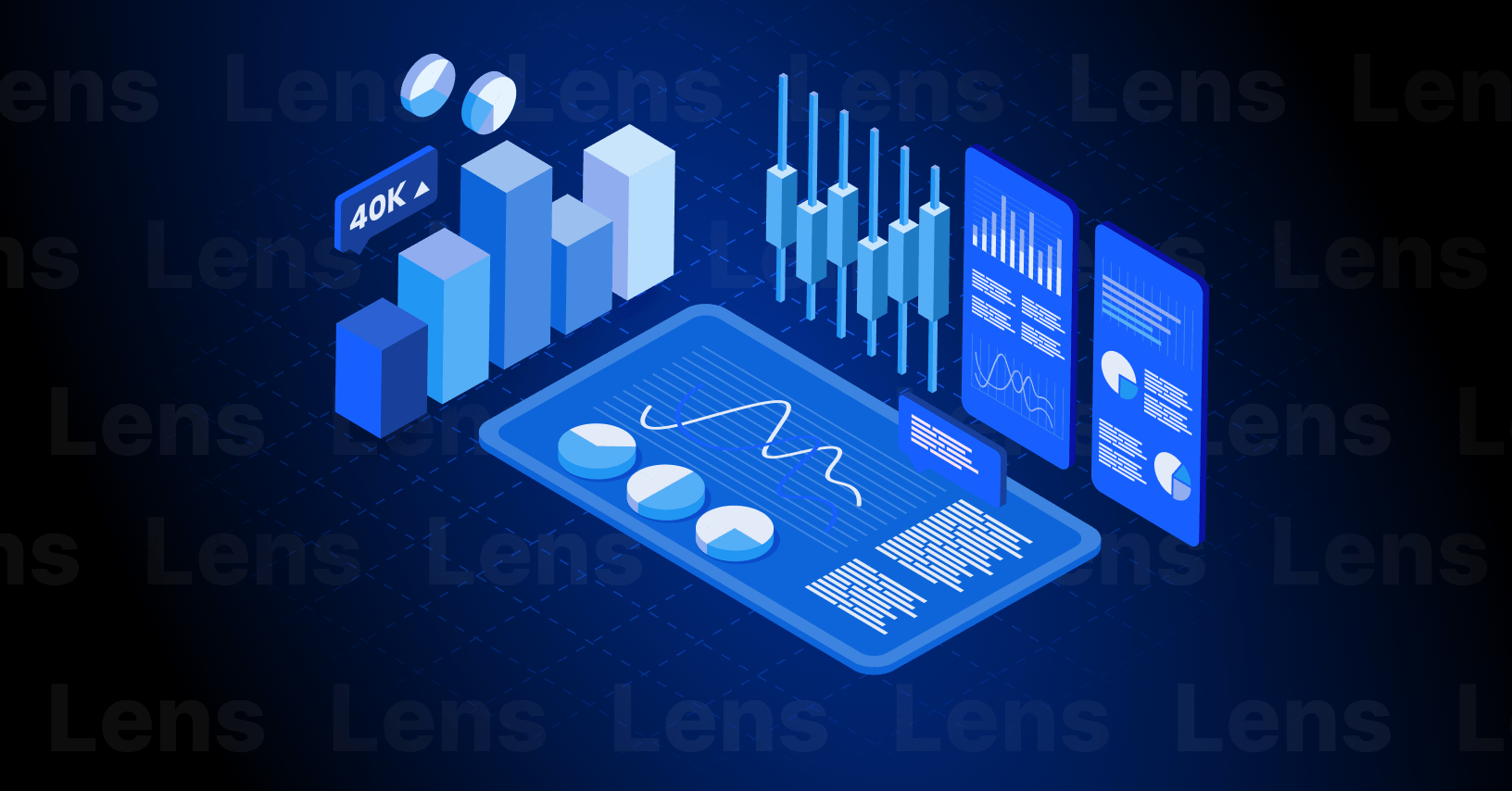
Lens
HiFX designed and developed a digital platform to simplify lens inventory management, improve operational efficiency, and enable real-time visibility across retail operations.
 ·
· ·
· ·
· ·
· ·
·
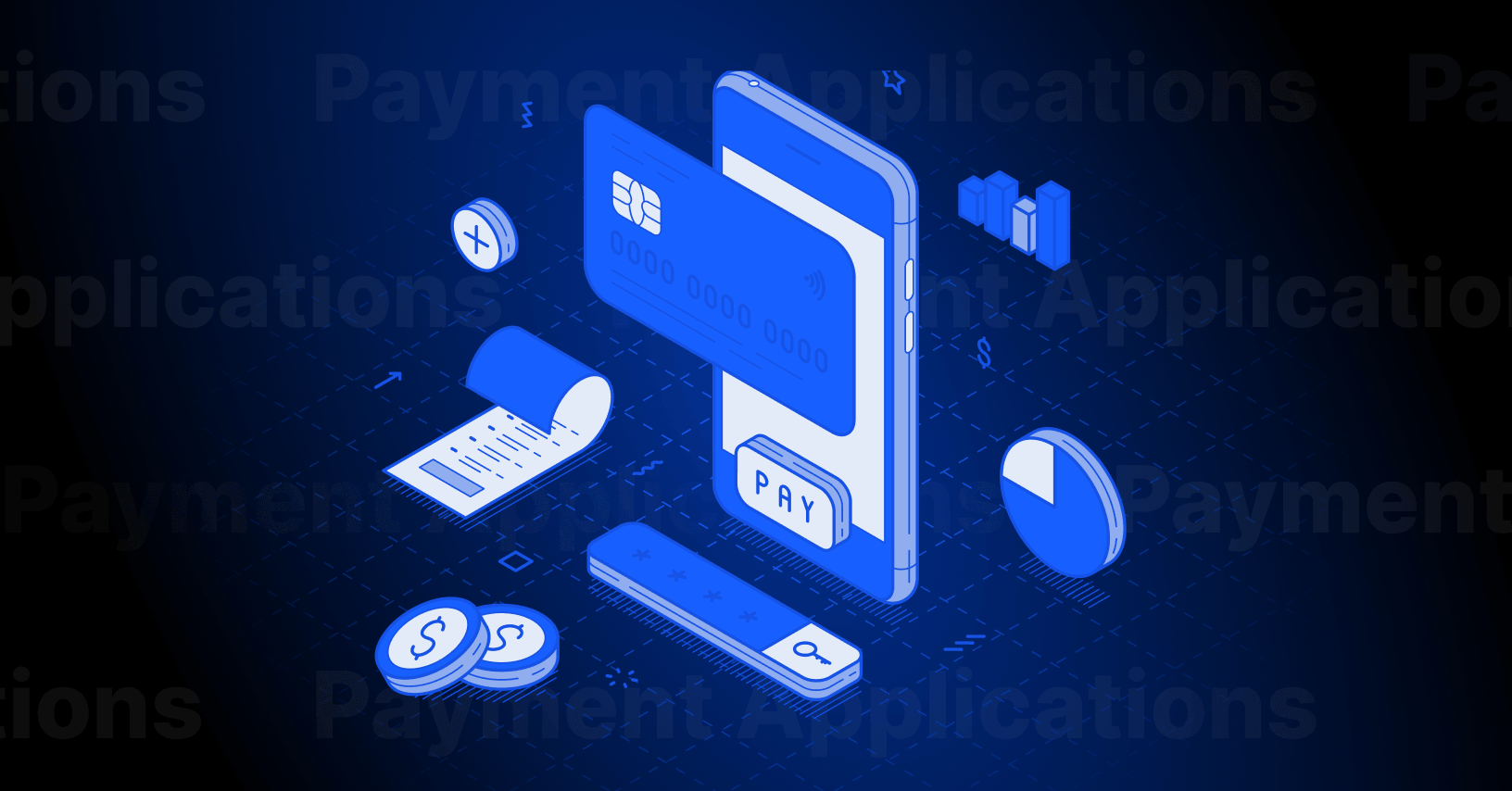
Payment Application
HiFX designed and developed a secure payment application to simplify digital transactions, improve operational efficiency, and deliver seamless payment experiences through scalable cloud-native infrastructure.
··
Single Sign On
HiFX designed and developed a centralized Single Sign-On solution to streamline authentication workflows, improve security, and deliver seamless access management across enterprise applications and platforms.
· ·
· ·
· ·
· ·
·
Questions We Get Asked
Through structured discovery that separates what the business actually needs from what was initially assumed, followed by architecture design that's reviewed against those findings rather than applied as a template.
Yes, typically by re-platforming the business logic that's proven valuable over time rather than discarding it, since legacy code often encodes edge-case handling that's expensive to rediscover.

