

Engineering Intelligent Solutions with Python
HiFX helps enterprises build scalable Python-powered applications, intelligent automation systems, AI-driven platforms, and cloud-native backend ecosystems designed for performance, flexibility, and long-term digital growth.Talk to Us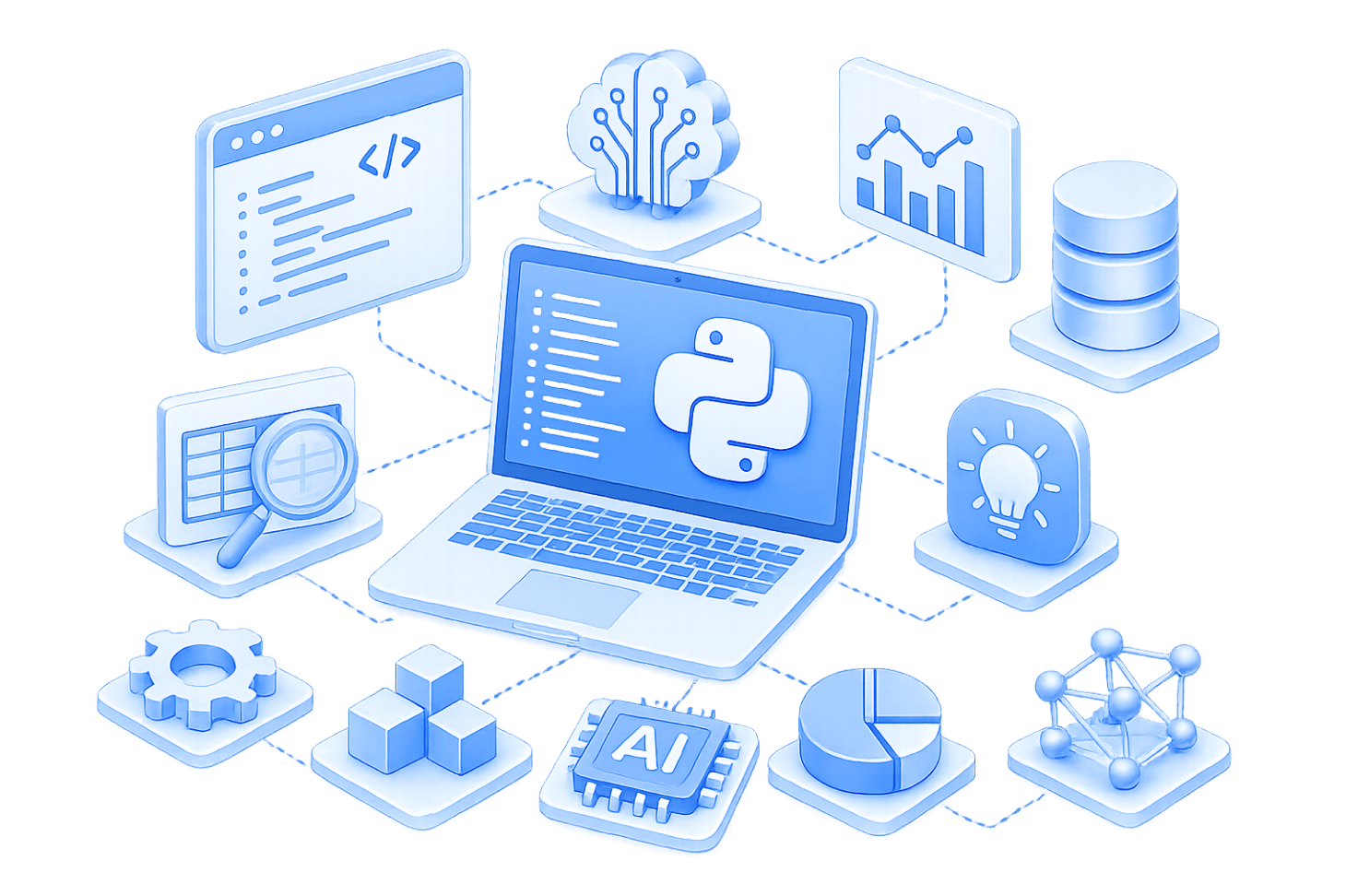
Scalable Python Engineering. Built for Innovation.
Python is our default choice for data-heavy backends and workloads that need background processing — Django where you need admin tooling and a batteries-included framework, FastAPI where you need a leaner, faster API surface with less overhead. We pair either with Celery and RabbitMQ for asynchronous task processing, so a slow operation (report generation, image processing, third-party API calls) doesn't block the request a user is waiting on. This is the stack we've run in production for warehouse and logistics platforms handling real-time inventory updates at volume.
 Django & FastAPI Backends
 Async Processing with Celery
 Production-Proven at Scale
Full-Spectrum Python Engineering Services

Backend Application Development
Framework choice is deliberate: Django when the project needs an admin interface, ORM, and auth out of the box; FastAPI when the priority is a lean, high-throughput API with automatic schema validation. We don't default to one framework regardless of fit.

AI & Automation Solutions
Python's ecosystem (pandas, scikit-learn, and integration libraries for LLM APIs) makes it a natural fit for automation that involves data transformation or model inference — we use it where those libraries provide real leverage, not as a default language choice.

Data Engineering Platforms
For ETL and data processing, we reach for Python because of its data-tooling ecosystem — but the actual architecture (batch vs. streaming, orchestration via Airflow or similar) is decided based on data volume and latency requirements, not assumed.

Cloud-Native Development
Python applications are containerized and designed to run statelessly wherever possible, so horizontal scaling is a configuration change, not a rearchitecture.

API & Integration Services
We build REST or GraphQL APIs depending on whether clients need flexible querying (GraphQL) or a simpler, more cacheable contract (REST) — the choice affects both frontend development speed and backend caching strategy.

Product Modernization
Modernizing a legacy Python codebase usually starts with dependency and version audits — many 'modernization' projects are really about getting off an unsupported Python 2 or end-of-life Django version before adding new capability.
Our Process

Discovery
Assess workload characteristics (request volume, background processing needs, data volume) to determine framework and architecture fit.

Engineering
Build with Django or FastAPI depending on the discovery outcome, with Celery/RabbitMQ introduced where async processing is genuinely needed — not by default.
Deployment
Containerized deployment with environment-based configuration, so the same image runs across dev, staging, and production without code changes.
Optimization
Profile actual production load and tune (database query optimization, caching layers, worker scaling) against real bottlenecks rather than speculative ones.
Transforming Businesses Through Technology
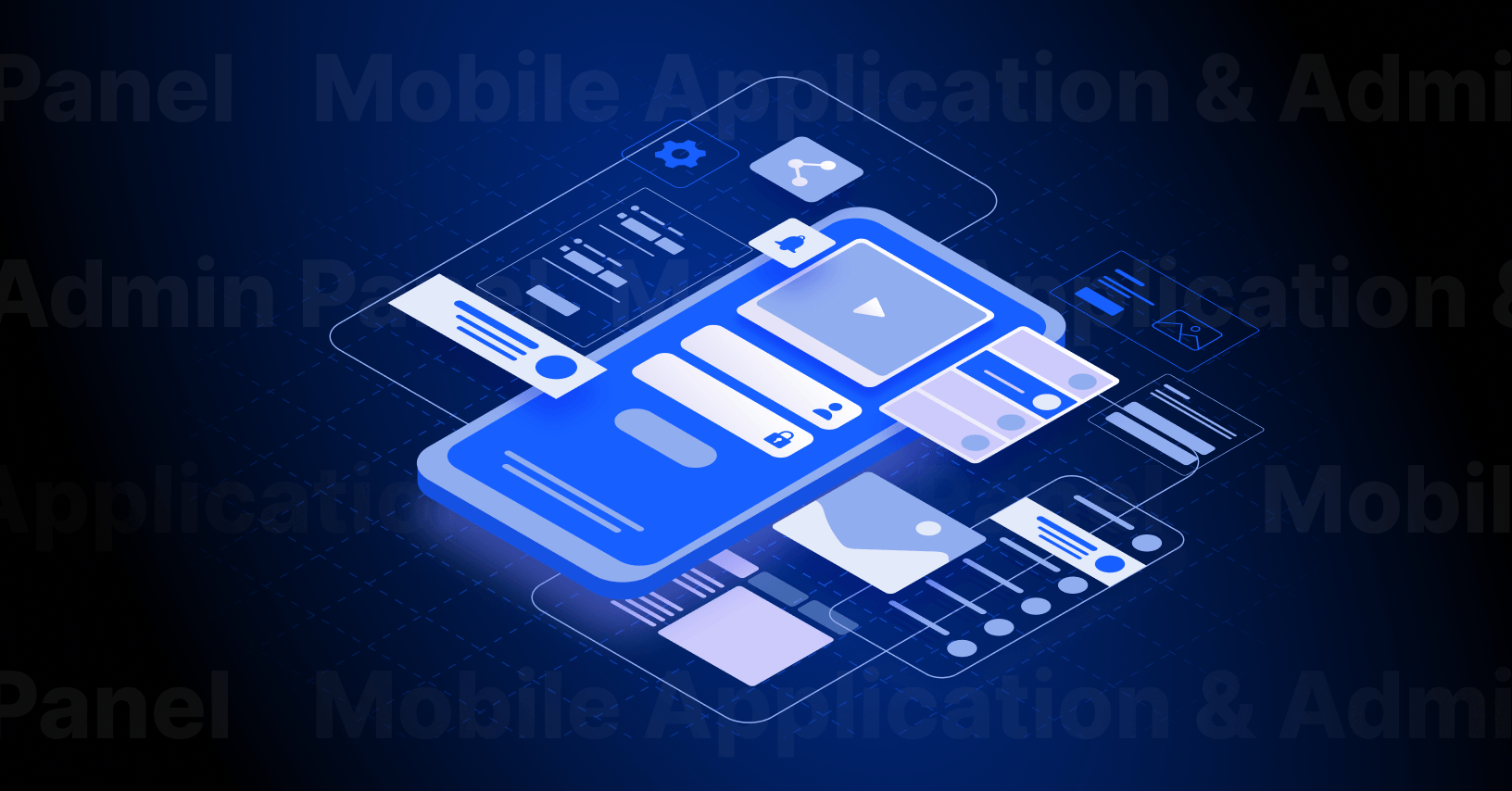
Mobile Application & Admin Panel
HiFX designed and developed a scalable mobile application and centralized admin panel for a leading national bakery and café chain, simplifying operations and improving customer accessibility.
 ·
· ·
· ·
· ·
· ·
·
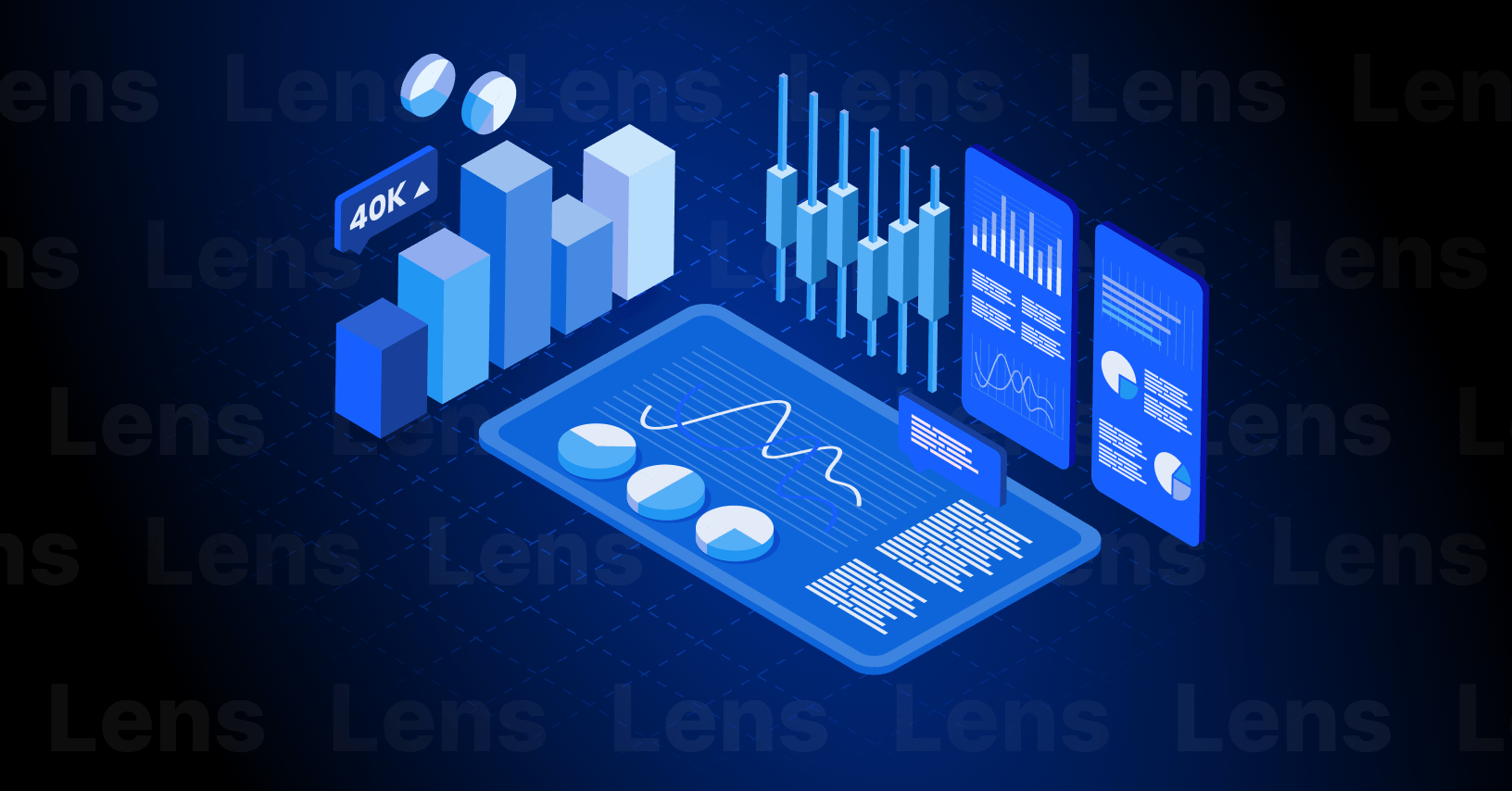
Lens
HiFX designed and developed a digital platform to simplify lens inventory management, improve operational efficiency, and enable real-time visibility across retail operations.
 ·
· ·
· ·
· ·
· ·
·
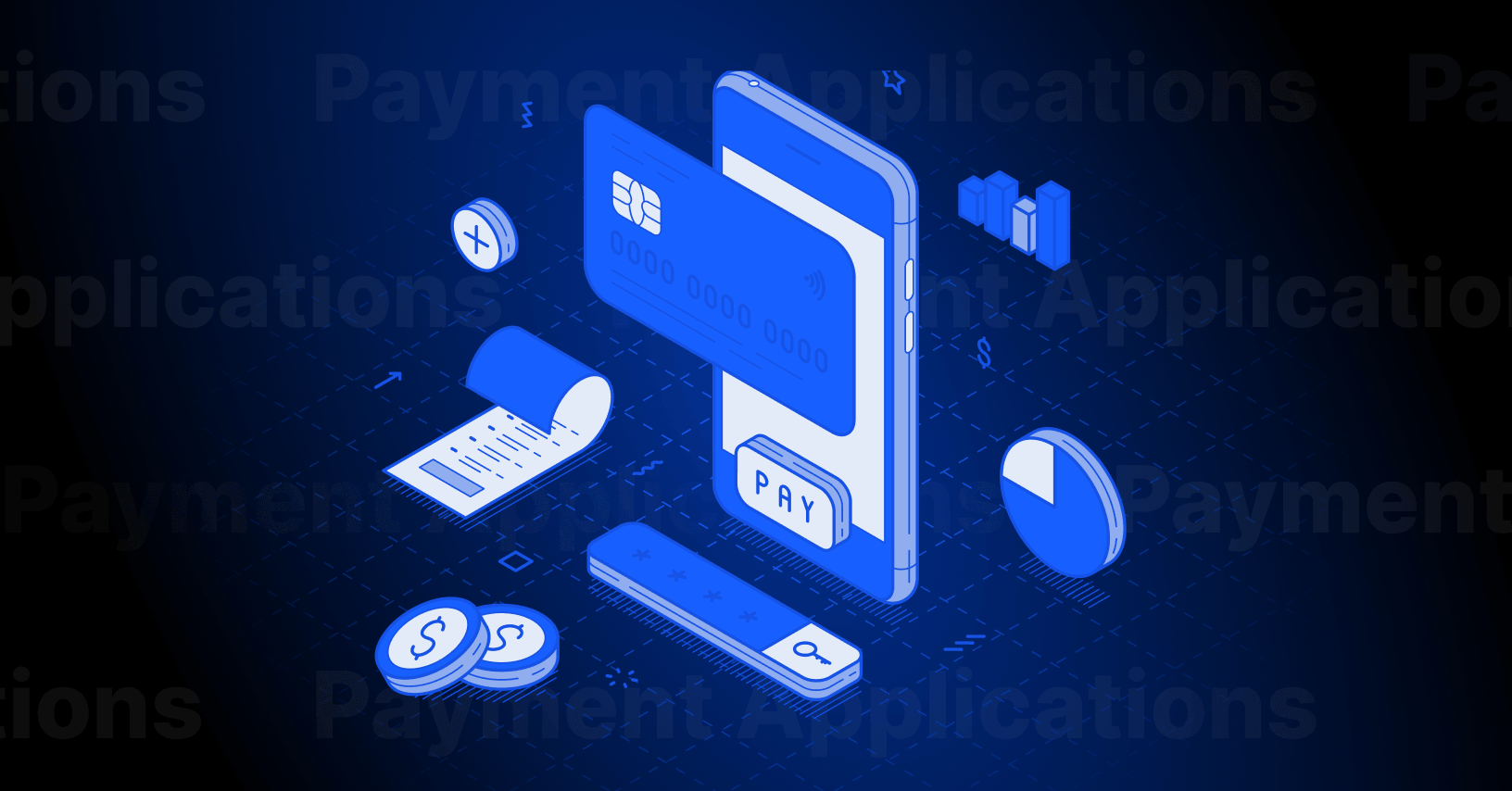
Payment Application
HiFX designed and developed a secure payment application to simplify digital transactions, improve operational efficiency, and deliver seamless payment experiences through scalable cloud-native infrastructure.
··
Single Sign On
HiFX designed and developed a centralized Single Sign-On solution to streamline authentication workflows, improve security, and deliver seamless access management across enterprise applications and platforms.
· ·
· ·
· ·
· ·
·
Questions We Get Asked
Backend APIs and admin systems (Django or FastAPI depending on the use case), async task processing with Celery/RabbitMQ, and data pipelines — matched to the workload rather than a single default stack.
Yes — we've run this stack in production for logistics and inventory platforms handling real-time updates at volume.

