

Unified Enterprise Data Platforms Built for Scale
HiFX helps enterprises build scalable data lakehouse ecosystems that unify analytics, AI workflows, and enterprise intelligence through cloud-native architectures optimized for real-time processing, scalability, and operational efficiency.Talk to Us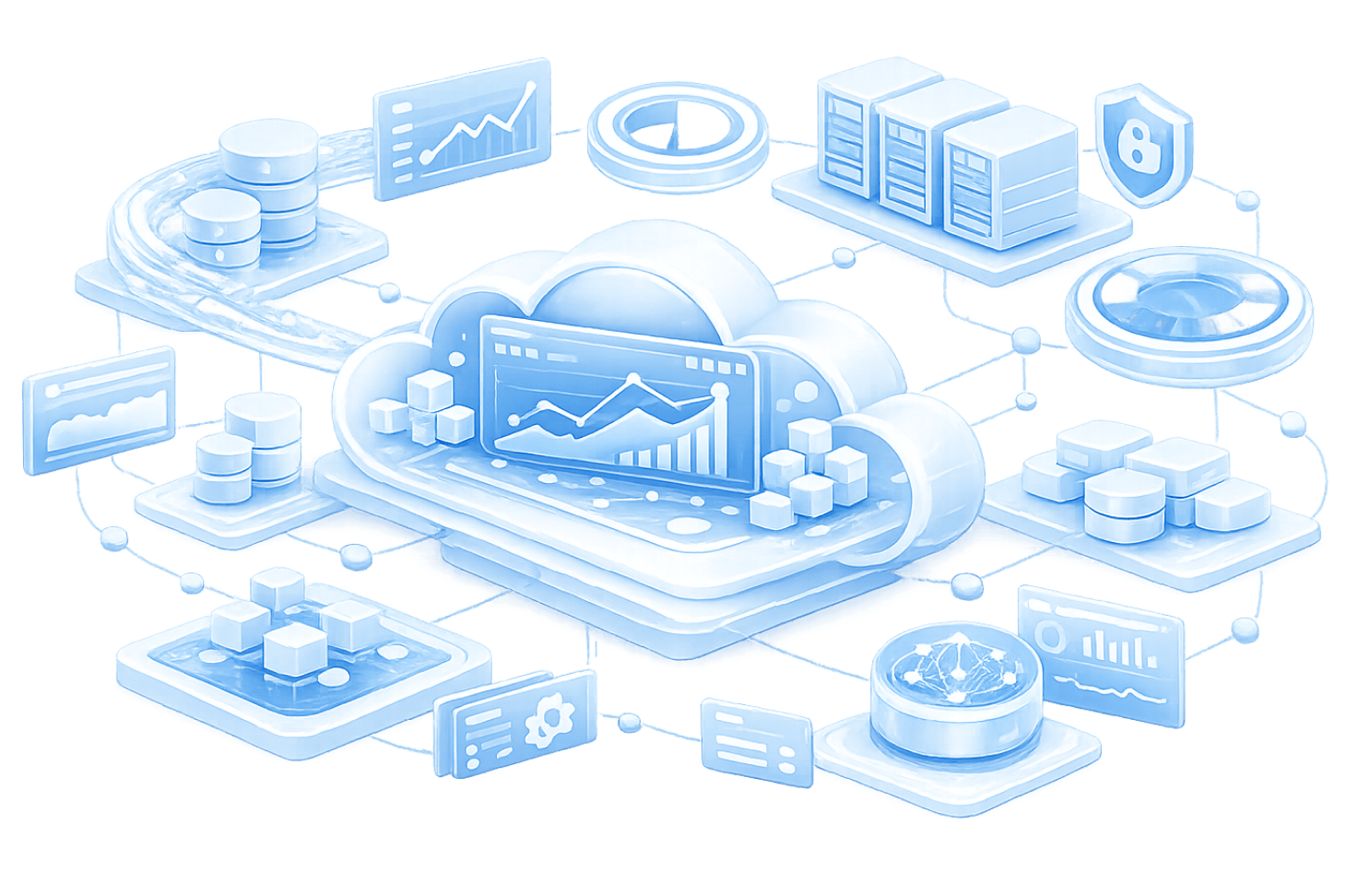
Modern Lakehouse Engineering. Built for Enterprise Intelligence.
A lakehouse only pays off if governance is built in from the start — unified access control and data lineage across both structured and unstructured data, not a data lake with a warehouse bolted on after the fact. We set up that governance layer (via tools like Unity Catalog on Databricks, or equivalent access-control frameworks) alongside the storage architecture, so access policy isn't a retrofit project six months into adoption.
 Governance Built in from Day One
 Unified Access Control
 One Platform, All Data Types
Full-Spectrum Lakehouse Engineering Services

Lakehouse Architecture Design
We design the storage layer to handle both structured data (tables) and unstructured data (documents, images) under one governance model — which is the actual differentiator of a lakehouse over a traditional warehouse that only handles structured data well.

Real-Time Data Pipelines
Pipeline design accounts for both streaming and batch sources landing in the same lakehouse — a common pattern is real-time event data alongside nightly batch loads from operational systems, unified under one query layer.

Cloud-Native Data Platforms
Compute and storage scale independently in a lakehouse architecture — a spike in analytical query load doesn't require re-provisioning the underlying storage, which is one of the practical cost advantages over a tightly coupled traditional warehouse.

Data Modernization
Modernizing into a lakehouse usually means consolidating data that's currently split across a data warehouse, a separate data lake, and various departmental spreadsheets — under one governed, queryable platform.

AI & Analytics Integration
Because a lakehouse handles unstructured data natively, it's a better foundation for AI workloads that need documents, images, or logs alongside structured tables — a traditional warehouse alone can't support that combination well.

Data Governance & Security
We set up a single access-control layer that governs both structured tables and unstructured files consistently — the alternative (separate governance for the lake and the warehouse) is where lakehouse projects typically develop security gaps.
Our Process

Discovery
Inventory current data spread across warehouses, lakes, and siloed systems, and identify governance gaps in the existing setup.

Architecture
Design the unified storage and access-control model before migrating any data, so governance isn't retrofitted later.
Development
Build ingestion pipelines and migrate data incrementally, validating governance policy applies correctly at each stage.
Optimization
Monitor query performance and access patterns, refining partitioning and permission structures as usage grows.
Transforming Businesses Through Technology
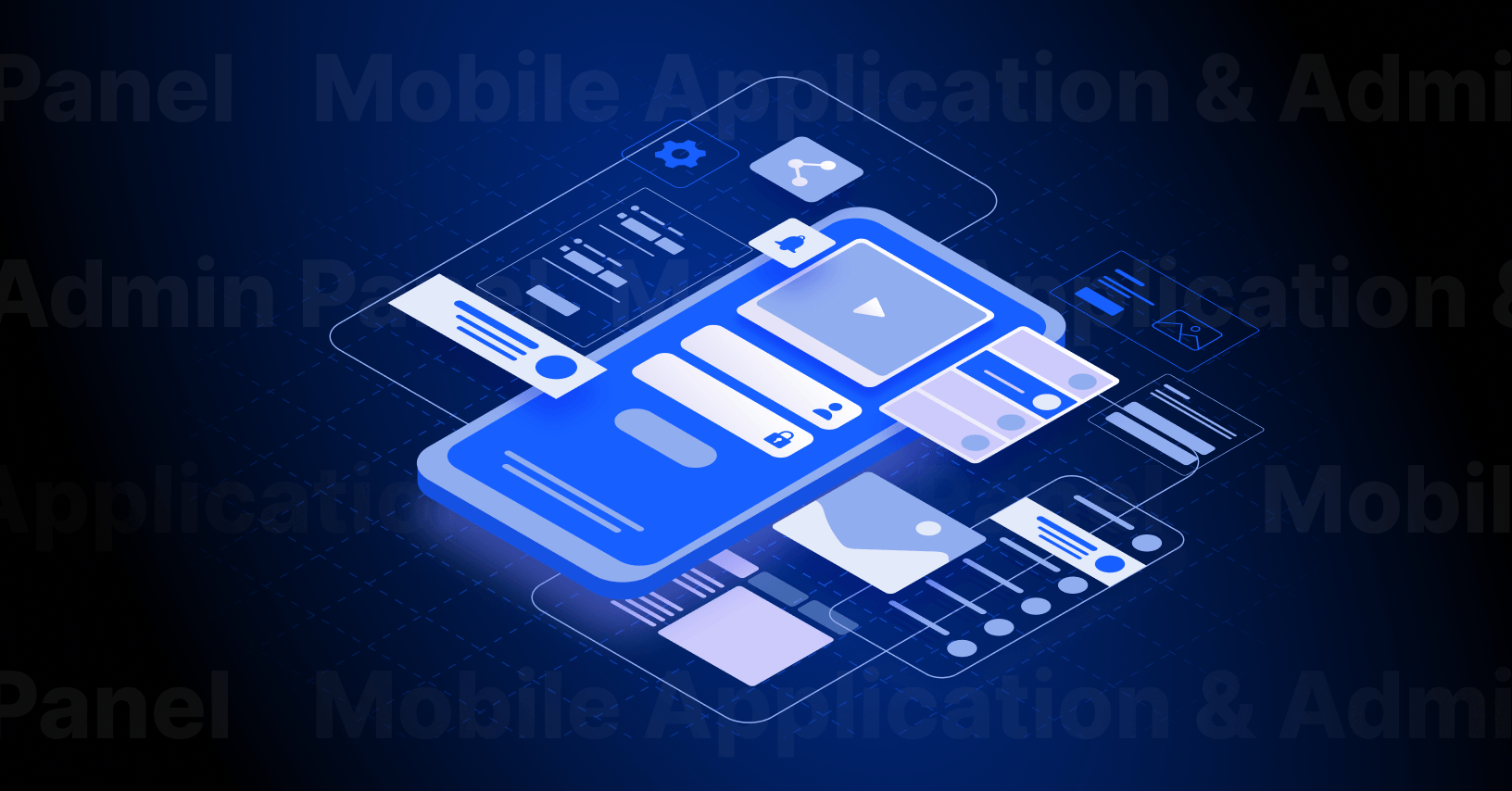
Mobile Application & Admin Panel
HiFX designed and developed a scalable mobile application and centralized admin panel for a leading national bakery and café chain, simplifying operations and improving customer accessibility.
 ·
· ·
· ·
· ·
· ·
·
Lens
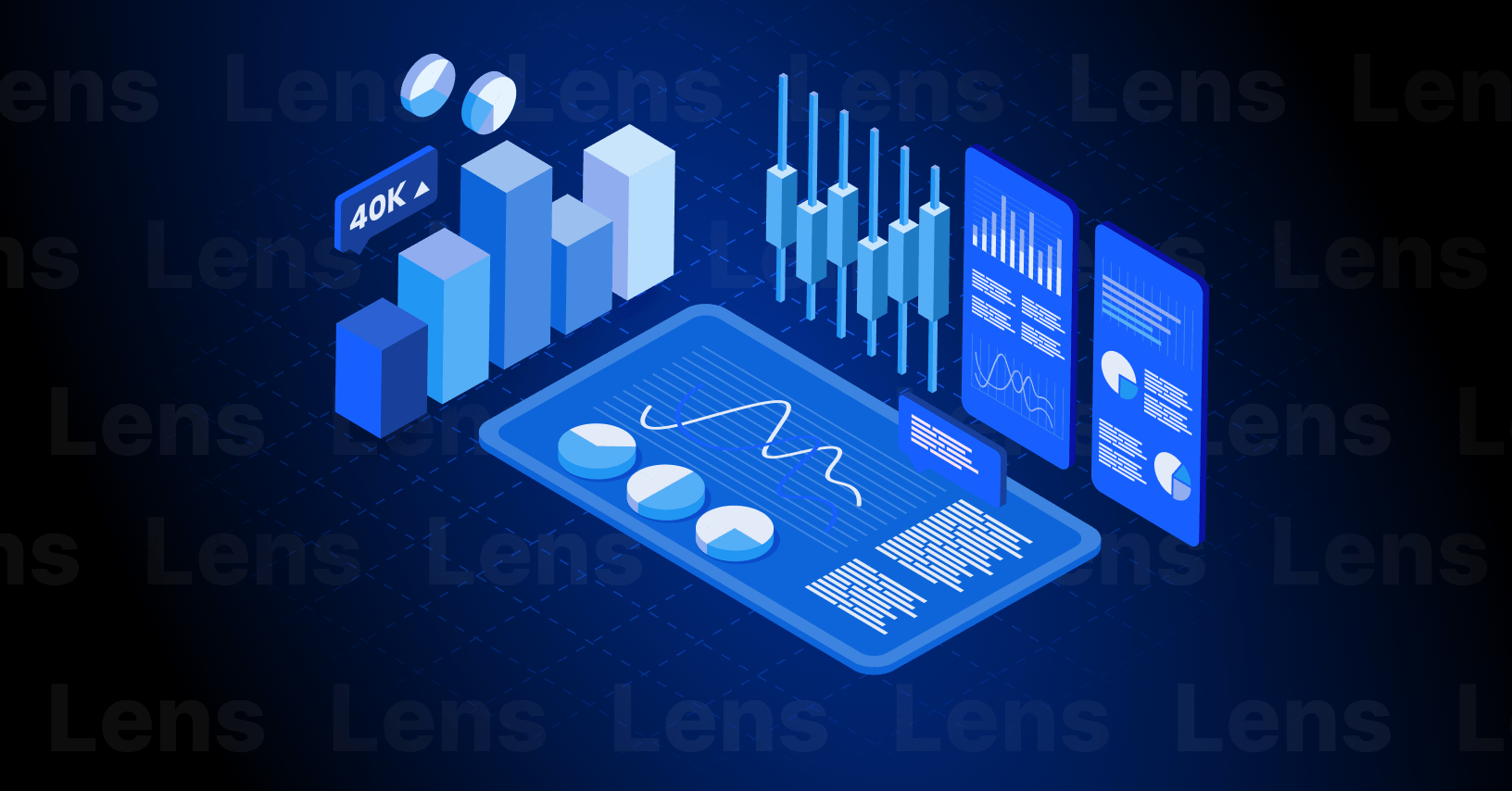
HiFX designed and developed a digital platform to simplify lens inventory management, improve operational efficiency, and enable real-time visibility across retail operations.
 ·
· ·
· ·
· ·
· ·
·
Payment Application
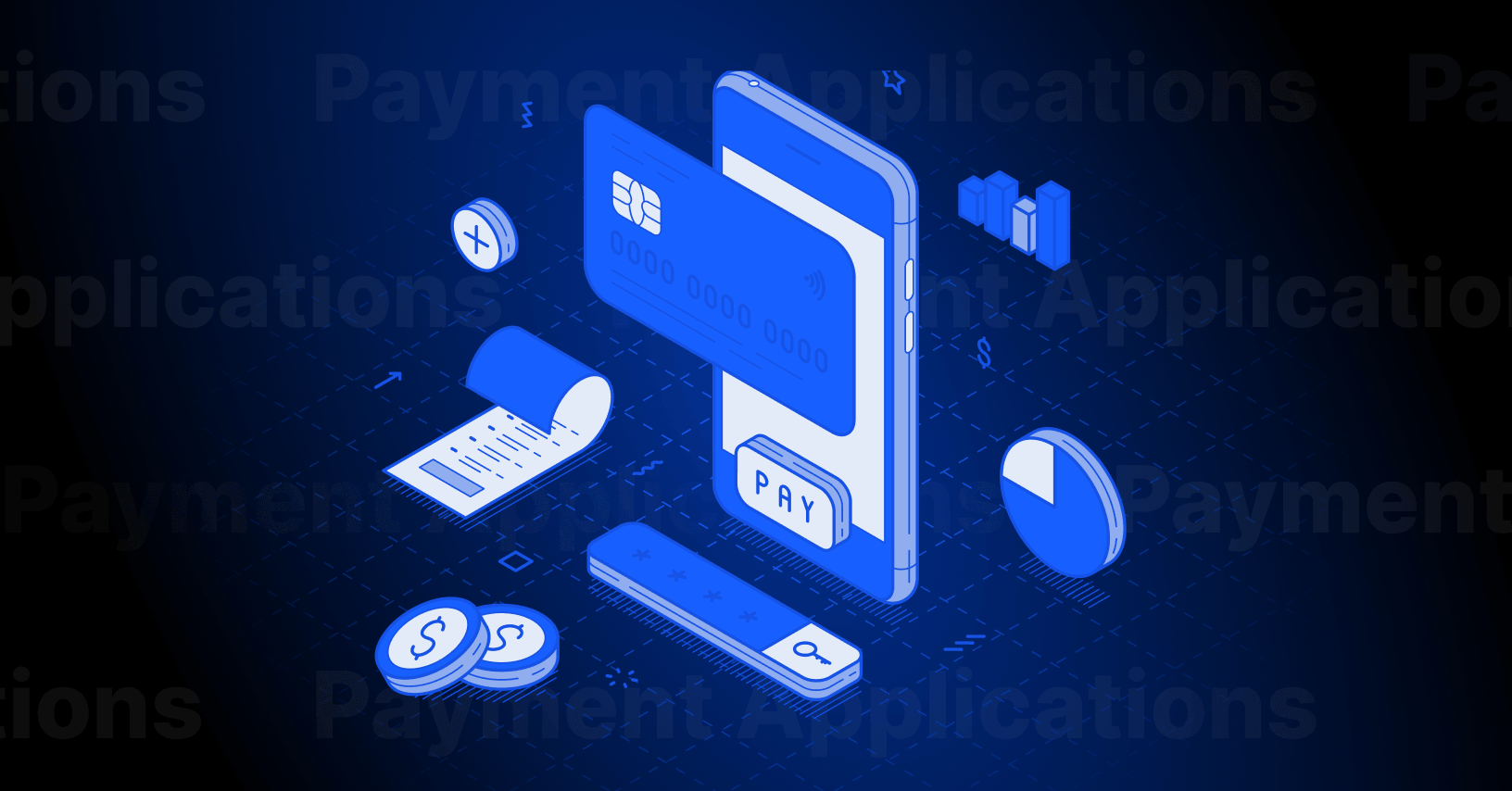
HiFX designed and developed a secure payment application to simplify digital transactions, improve operational efficiency, and deliver seamless payment experiences through scalable cloud-native infrastructure.
··
Single Sign On
HiFX designed and developed a centralized Single Sign-On solution to streamline authentication workflows, improve security, and deliver seamless access management across enterprise applications and platforms.
· ·
· ·
· ·
· ·
·
Questions We Get Asked
Unified lakehouse architecture with governance (access control and lineage) designed in from the start, covering both structured and unstructured data under one platform.
Yes — typically by consolidating data currently split across separate warehouses, lakes, and departmental systems into one governed platform.

