

LLM-Powered Knowledge Bases
Transform enterprise knowledge management with AI-powered knowledge bases that deliver instant, intelligent, and context-aware information access across your organization.Talk to Us
Intelligent Knowledge Systems for Modern Enterprises
Retrieval quality determines answer quality — a knowledge base is only as good as its chunking strategy and embedding search, not the language model sitting on top of it. We tune document ingestion (how documents get split into chunks, what metadata gets attached, how retrieval ranks results) to your actual document types, so answers are grounded in the right passage instead of a plausible-sounding blend of several loosely related ones.
 Smart Document Chunking
 Retrieval Quality Over Model Choice
 Grounded Answers, Not Guesses
Full-Spectrum LLM Knowledge Base Services

Enterprise Knowledge Portals
Chunking strategy is document-type-specific — a policy document with numbered sections chunks differently than a support ticket log. We design ingestion per document type rather than applying one generic splitting rule to everything.

Conversational AI Search
We combine semantic search (embedding similarity) with keyword/metadata filtering — pure semantic search alone tends to miss exact-match cases like a document ID or specific policy number, which keyword filtering catches.

Document Intelligence Systems
Tables, images, and scanned documents each need different extraction handling — a table converted to plain text loses its structure, which usually needs preserving explicitly for the retrieval system to answer questions about specific rows correctly.

Multi-Source Data Integration
We build ingestion pipelines that keep source attribution intact — every retrieved answer traces back to which system and document it came from, which matters both for user trust and for catching when a source document is outdated.

Generative AI Knowledge Assistants
We design prompts that instruct the model to answer only from retrieved context and explicitly say when it doesn't know — reducing the model's tendency to fill gaps with plausible- sounding but unsupported information.

Secure Enterprise AI Systems
Access control is enforced at retrieval time, not just at the UI level — a user's permissions filter which documents the retrieval system can even search, so the model can't surface information from documents that user shouldn't see.
Our Process

Discovery
Audit the actual document types and volume, since chunking and retrieval strategy depend heavily on whether the corpus is mostly structured policy documents, free-form support tickets, or a mix.

Data Structuring
Design ingestion pipelines per document type, with metadata tagging that preserves source attribution and access-control boundaries.
AI Development
Build the retrieval and generation pipeline, tuning chunk size and ranking against real test queries — not just a default configuration.
Optimization
Evaluate answer quality against real user queries over time, refining retrieval ranking and prompt design where answers are consistently missing the right source.
Transforming Businesses Through Technology
Mobile Application & Admin Panel
HiFX designed and developed a scalable mobile application and centralized admin panel for a leading national bakery and café chain, simplifying operations and improving customer accessibility.
 ·
· ·
· ·
· ·
· ·
·

Lens
HiFX designed and developed a digital platform to simplify lens inventory management, improve operational efficiency, and enable real-time visibility across retail operations.
 ·
· ·
· ·
· ·
· ·
·

Payment Application
HiFX designed and developed a secure payment application to simplify digital transactions, improve operational efficiency, and deliver seamless payment experiences through scalable cloud-native infrastructure.
··

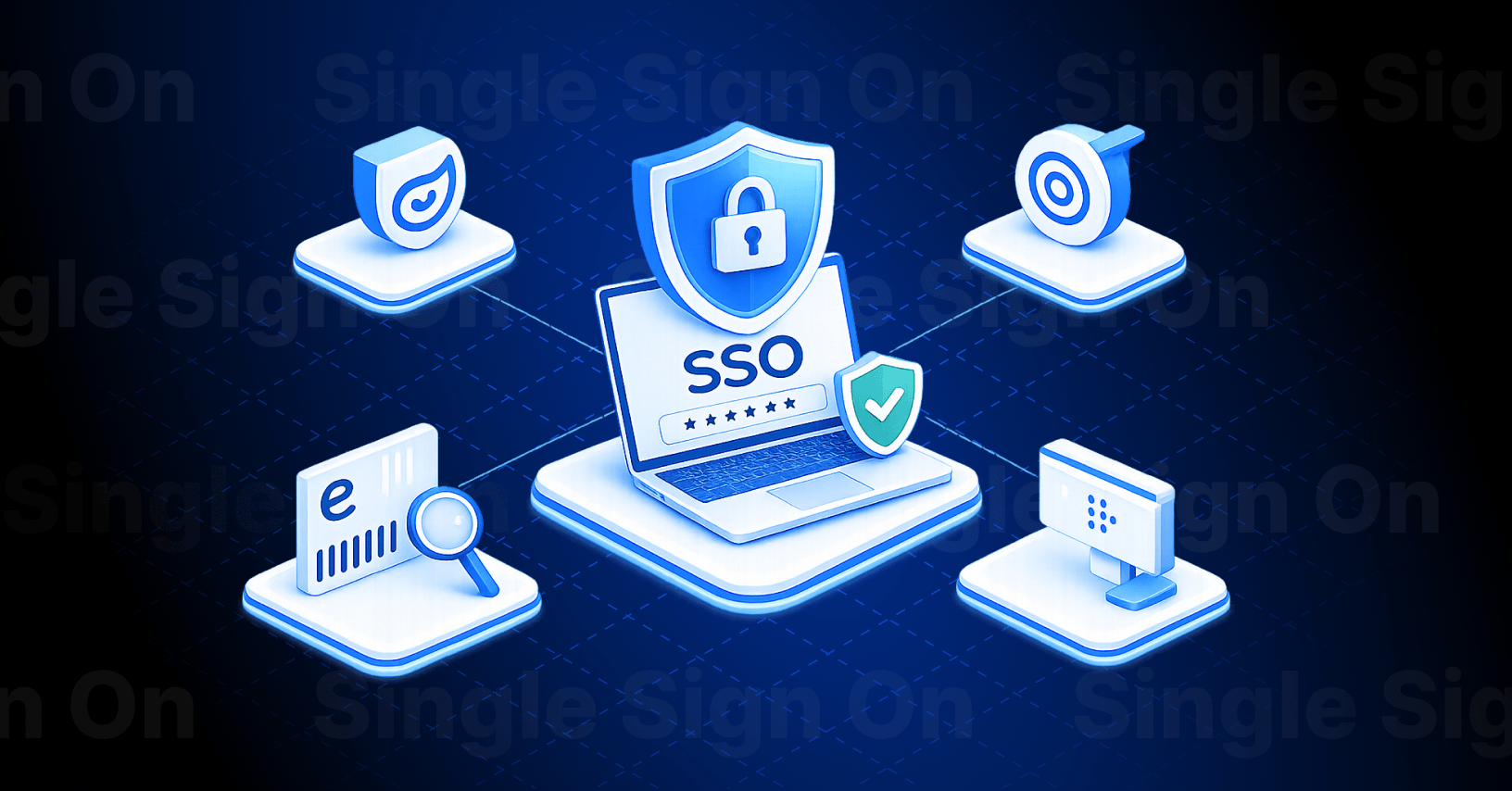
Single Sign On
HiFX designed and developed a centralized Single Sign-On solution to streamline authentication workflows, improve security, and deliver seamless access management across enterprise applications and platforms.
· ·
· ·
· ·
· ·
·
Questions We Get Asked
A system where a language model generates answers grounded in retrieved passages from your actual documents — the retrieval step is what determines whether the answer is accurate, not just the model itself.
Yes — with access control enforced at the retrieval level, so a user only gets answers grounded in documents they're already permitted to see.

